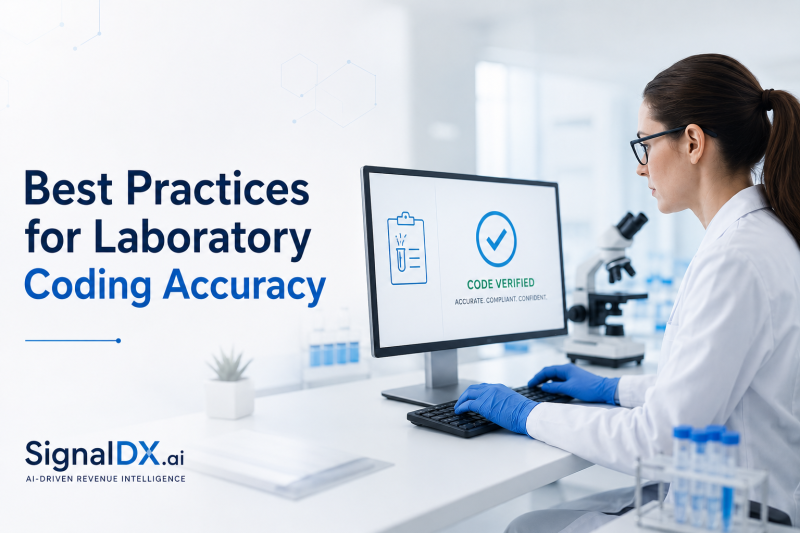
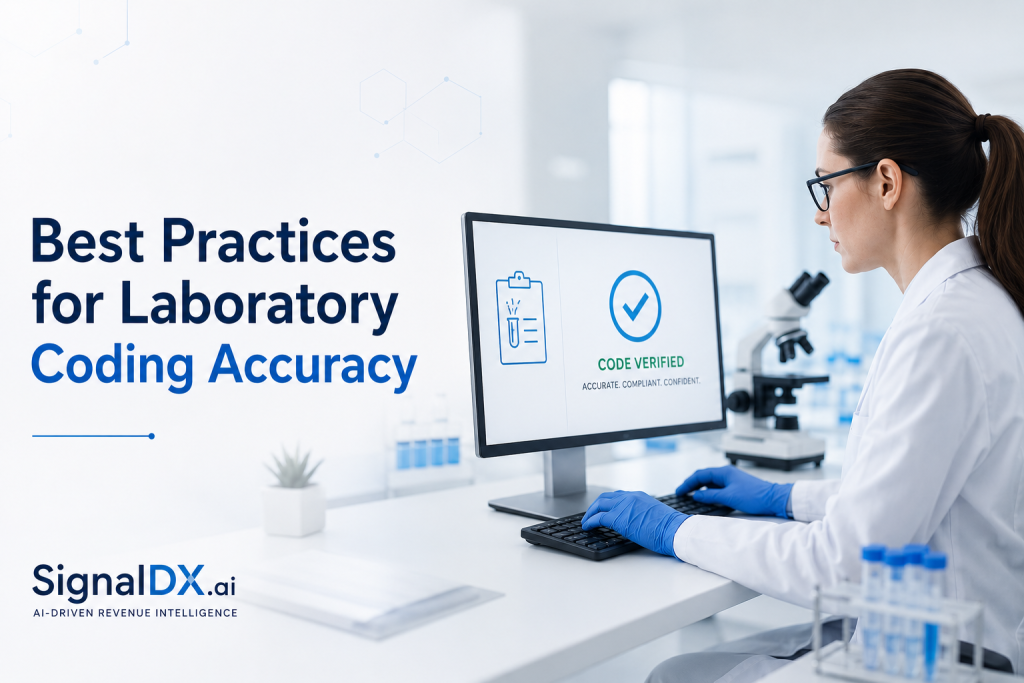
Best Practices for Laboratory Coding Accuracy
Laboratory organizations operate in one of the most complex areas of healthcare revenue cycle management, where even small coding mistakes can result in delayed reimbursements, claim denials, compliance risks, and financial losses. Best Practices for Laboratory Coding Accuracy are no longer optional for diagnostic laboratories that want to improve operational efficiency and maintain regulatory compliance. With increasingly complex CPT coding, ICD-10 requirements, payer-specific rules, and changing healthcare regulations, laboratories need intelligent solutions that help eliminate coding errors before claims are submitted. SignalDX.ai empowers laboratories with AI-driven risk intelligence, automated coding validation, compliance monitoring, and real-time analytics that significantly improve laboratory coding accuracy while reducing administrative burden.
Why Best Practices for Laboratory Coding Accuracy Matter
Accurate laboratory coding is the foundation of successful reimbursement. Every laboratory test performed must be documented correctly, assigned the proper CPT codes, supported with appropriate ICD-10 diagnosis codes, and comply with payer-specific billing policies. Even highly experienced billing teams can struggle to keep pace with evolving regulations.
Healthcare organizations lose millions of dollars every year because of preventable coding errors. Incorrect coding creates claim denials, reimbursement delays, audit risks, patient dissatisfaction, and compliance penalties. Following Best Practices for Laboratory Coding Accuracy helps laboratories establish standardized workflows that improve financial performance while protecting organizational reputation.
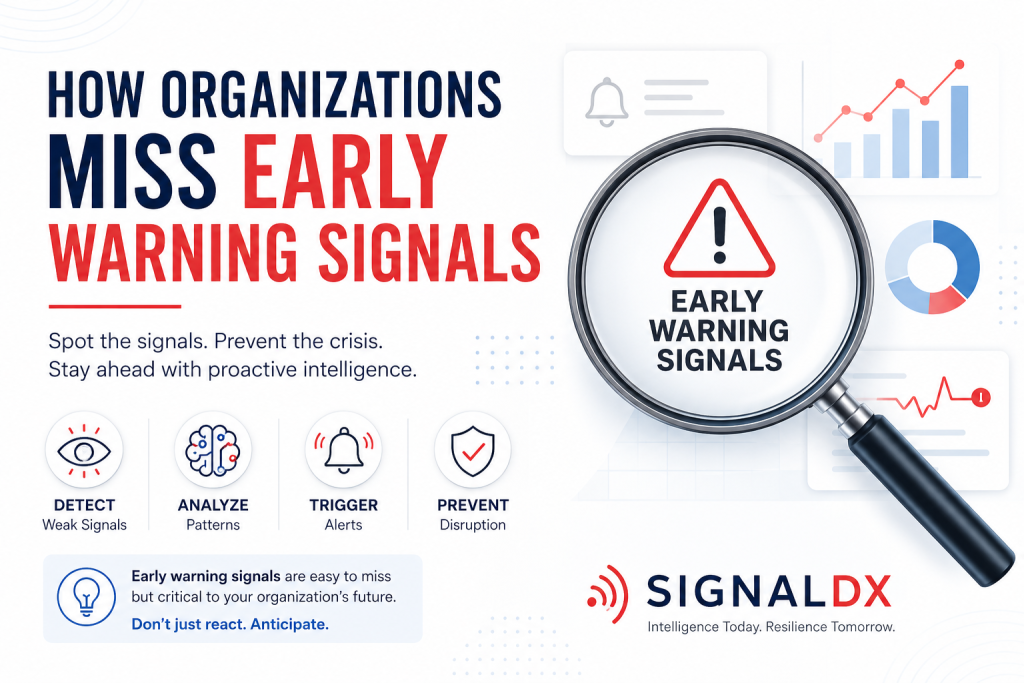
SignalDX.ai provides laboratories with intelligent monitoring capabilities that identify coding risks early, allowing billing teams to resolve issues before claims reach payers.
Understanding Laboratory Coding Accuracy in Modern Healthcare
Laboratory coding involves much more than assigning procedure codes. It requires clinical understanding, documentation review, payer knowledge, and regulatory awareness.
Each laboratory claim must accurately represent the services performed while matching medical necessity documentation. Coding professionals must verify physician orders, patient diagnoses, laboratory procedures, modifiers, specimen collection information, and payer requirements before claims are submitted.
Accurate coding ensures:
Higher reimbursement rates
Reduced claim denials
Improved compliance
Lower audit exposure
Better revenue cycle performance
Faster payment processing
SignalDX.ai enhances these processes by automatically identifying inconsistencies that may otherwise remain unnoticed until claims are denied.
Best Practices for Laboratory Coding Accuracy Start with Complete Documentation
Documentation remains the single most important component of coding accuracy.
Laboratory professionals should ensure every claim contains complete clinical documentation that supports medical necessity. Missing documentation frequently leads to rejected claims and regulatory concerns.
Essential documentation includes physician orders, patient demographics, diagnosis information, specimen details, performed tests, medical necessity records, and complete clinical notes.
When documentation is standardized throughout laboratory workflows, coding professionals spend less time searching for missing information while improving coding consistency.
SignalDX.ai continuously monitors documentation quality and identifies missing elements before billing begins.
Best Practices for Laboratory Coding Accuracy Using Correct CPT Codes
Current Procedural Terminology (CPT) codes change regularly. Laboratories that rely on outdated coding references increase the likelihood of billing errors.
Coding teams should review CPT updates annually while maintaining current coding resources. Regular education ensures coders correctly identify new laboratory procedures and retired codes.
Accurate CPT coding requires understanding:
Test methodology
Panel testing
Molecular diagnostics
Pathology procedures
Genetic testing
Specialized laboratory services
SignalDX.ai assists laboratories by validating CPT code selections against current regulatory guidance and internal coding policies.
Best Practices for Laboratory Coding Accuracy with Proper ICD-10 Selection
Diagnosis coding directly affects reimbursement.
A laboratory test may be technically correct, but if the supporting ICD-10 diagnosis does not establish medical necessity, the payer may deny reimbursement.
Laboratory coding teams should confirm diagnosis codes accurately reflect physician documentation and payer requirements.
Routine diagnosis validation reduces:
Medical necessity denials
Incomplete documentation
Coding inconsistencies
Compliance violations
Revenue leakage
SignalDX.ai automatically evaluates diagnosis-code relationships and highlights potential conflicts before claims are submitted.
Improving Laboratory Coding Accuracy Through Staff Education
Healthcare regulations evolve continuously.
Successful laboratories invest in ongoing coding education instead of relying solely on annual training sessions.
Continuous education should cover:
Updated CPT changes
ICD-10 revisions
CMS guidance
Private payer policies
Compliance updates
Documentation standards
Coding specialists who receive consistent education make fewer errors and adapt more quickly to regulatory changes.
SignalDX.ai complements training efforts by identifying recurring coding patterns that indicate additional educational opportunities.
How Artificial Intelligence Improves Laboratory Coding Accuracy
Artificial intelligence has become an essential tool for modern healthcare revenue cycle management.
Rather than replacing coding professionals, AI enhances their decision-making by reviewing thousands of coding variables in seconds.
AI-powered coding intelligence provides:
Real-time validation
Pattern recognition
Documentation analysis
Compliance monitoring
Risk detection
Automated alerts
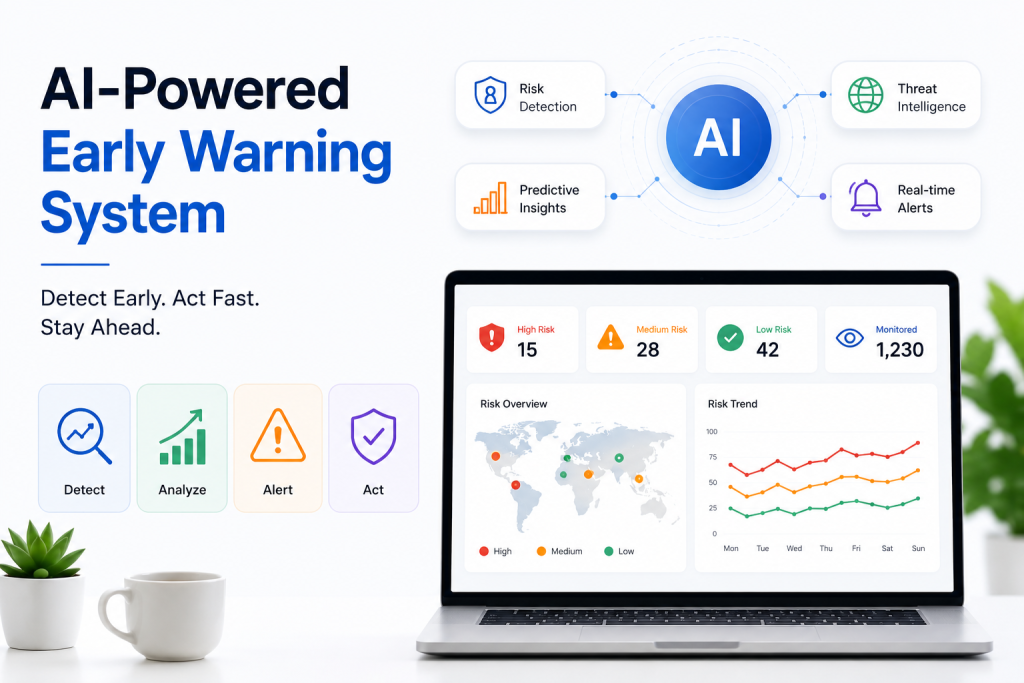
SignalDX.ai uses advanced AI to evaluate laboratory claims before submission, helping organizations prevent denials instead of reacting to them later.
Best Practices for Laboratory Coding Accuracy and Medical Necessity Validation
Medical necessity remains one of the leading causes of laboratory claim denials.
Every laboratory test should be supported by appropriate clinical justification.
Coding teams should verify:
Physician orders match requested tests.
Diagnosis codes support testing.
Clinical documentation explains necessity.
Payer coverage policies are satisfied.
Required modifiers are included.
SignalDX.ai continuously evaluates medical necessity rules and alerts staff when documentation does not support reimbursement requirements.
Standardizing Laboratory Coding Workflows
Standardized workflows reduce human variation.
Organizations with documented coding procedures experience fewer inconsistencies because every team member follows identical processes.
Workflow standardization should include:
Documentation review
Code verification
Diagnosis validation
Claim auditing
Quality assurance
Compliance review
SignalDX.ai integrates with standardized workflows by providing automated coding checkpoints throughout the billing lifecycle.
Reducing Claim Denials Through Coding Accuracy
Claim denials often originate from preventable coding mistakes.
Common denial reasons include:
Incorrect CPT codes
Invalid ICD-10 combinations
Missing modifiers
Documentation deficiencies
Duplicate claims
Expired payer policies
Reducing these errors significantly improves revenue cycle performance.
SignalDX.ai identifies denial trends and helps laboratories implement proactive corrections before reimbursement is affected.
Best Practices for Laboratory Coding Accuracy in Molecular Diagnostics
Molecular diagnostics continue to grow rapidly, bringing greater coding complexity.
Advanced genetic testing frequently involves unique CPT codes, evolving reimbursement policies, and extensive documentation requirements.
Laboratories performing molecular diagnostics should establish specialized coding review procedures that reflect the latest payer guidance.
SignalDX.ai supports molecular diagnostic laboratories through intelligent rule validation and continuous compliance monitoring.
Laboratory Coding Accuracy and Compliance Requirements
Regulatory compliance extends beyond accurate reimbursement.
Incorrect coding may trigger government audits, payer investigations, financial penalties, or legal concerns.
Compliance programs should monitor:
Coding accuracy
Documentation integrity
Medical necessity
Modifier usage
Billing consistency
Regulatory updates
SignalDX.ai continuously evaluates compliance risks across laboratory operations, helping organizations maintain regulatory confidence.
Internal Coding Audits Improve Laboratory Coding Accuracy
Routine audits identify weaknesses before external auditors do.
Internal coding audits provide valuable insights into recurring errors, staff performance, documentation quality, and reimbursement trends.
Successful audit programs evaluate random claims, high-risk procedures, denied claims, and new laboratory services.
SignalDX.ai enhances auditing through automated risk scoring and intelligent claim prioritization.
Best Practices for Laboratory Coding Accuracy with Automated Validation
Manual claim review remains valuable, but automation increases consistency.
Automated validation ensures every submitted claim passes predefined quality standards before reaching the payer.
Validation should include:
Code combinations
Medical necessity
Documentation completeness
Modifier accuracy
Payer requirements
Compliance checks
SignalDX.ai performs these validations automatically, reducing manual review time while improving coding confidence.
Preventing Revenue Leakage Through Coding Accuracy
Revenue leakage often develops gradually.
Small coding inaccuracies accumulate over thousands of laboratory claims, creating substantial financial losses.
Improving coding accuracy helps laboratories recover legitimate reimbursement while reducing avoidable write-offs.
Revenue integrity depends on accurate coding, complete documentation, and proactive monitoring.
SignalDX.ai provides detailed analytics that reveal hidden revenue opportunities and recurring coding issues.
Data Analytics Support Better Laboratory Coding Decisions
Modern laboratories generate enormous volumes of operational data.
Analyzing this information helps leaders identify trends affecting coding accuracy and financial performance.
Analytics reveal:
Denial patterns
High-risk procedures
Coding inconsistencies
Documentation deficiencies
Payer-specific challenges
Revenue opportunities
SignalDX.ai transforms laboratory data into actionable intelligence that supports continuous coding improvement.
The Role of Quality Assurance in Laboratory Coding Accuracy
Quality assurance programs create accountability.
Regular reviews encourage coding consistency while identifying opportunities for process refinement.
Quality assurance initiatives should include peer reviews, documentation assessments, coding accuracy measurements, and compliance evaluations.
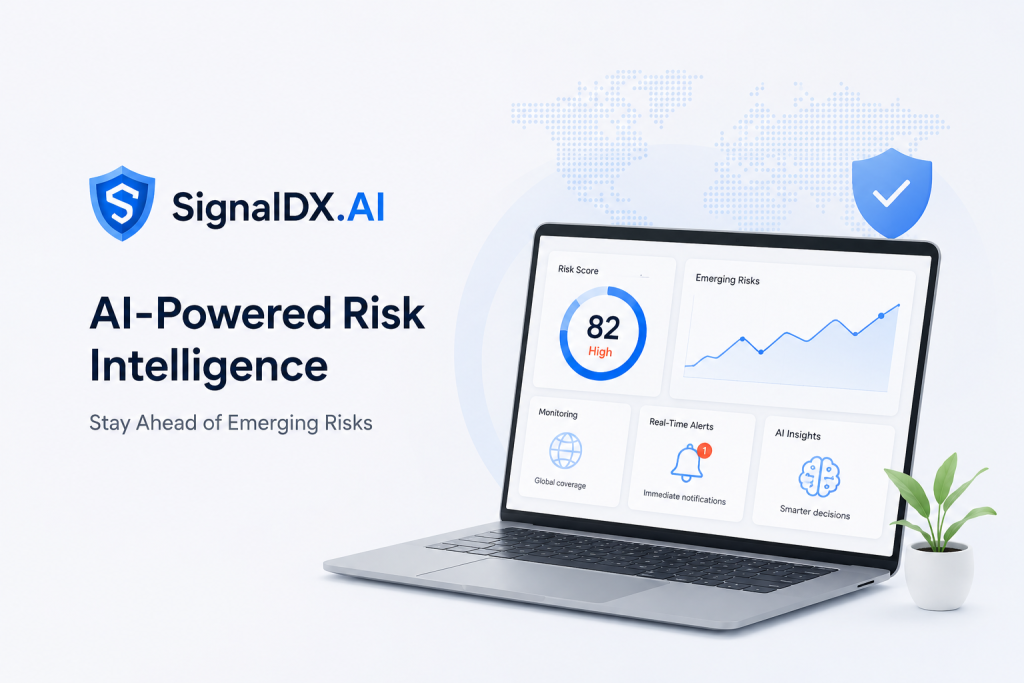
SignalDX.ai provides real-time dashboards that allow leadership teams to monitor coding quality across the organization.
Laboratory Coding Accuracy for Multi-Location Laboratory Networks
Large laboratory networks often struggle with coding consistency across multiple facilities.
Different locations may interpret coding policies differently unless standardized governance exists.
Centralized coding policies supported by AI-driven validation improve consistency throughout the organization.
SignalDX.ai enables enterprise-wide visibility, allowing leadership to monitor coding performance across every laboratory location.
Future Trends in Laboratory Coding Accuracy
Healthcare coding will continue becoming more data-driven.
Artificial intelligence, predictive analytics, automated compliance monitoring, and machine learning will increasingly support coding professionals instead of replacing them.
Future laboratory coding environments will emphasize:
Predictive denial prevention
Continuous compliance monitoring
Real-time coding validation
Intelligent documentation review
Automated workflow optimization
Advanced payer analytics
SignalDX.ai is designed to support laboratories through these evolving technologies while helping organizations remain prepared for future regulatory changes.
Why SignalDX.ai Supports Best Practices for Laboratory Coding Accuracy
Healthcare organizations require more than traditional coding software.
They need intelligent platforms capable of continuously monitoring coding quality, identifying emerging risks, and providing actionable recommendations before reimbursement problems occur.
SignalDX.ai combines artificial intelligence, compliance intelligence, workflow automation, predictive analytics, and revenue cycle monitoring into a unified platform that empowers laboratory teams to improve coding accuracy with confidence.
Rather than reacting to denials after they occur, laboratories can proactively identify vulnerabilities, strengthen compliance, improve documentation quality, and maximize reimbursement.
As laboratory testing continues to expand across molecular diagnostics, genetic testing, pathology, and specialized clinical services, intelligent coding support becomes increasingly valuable.
Organizations using SignalDX.ai gain greater visibility into coding performance while improving operational efficiency, regulatory compliance, and financial outcomes.
Conclusion
Implementing Best Practices for Laboratory Coding Accuracy is essential for laboratories seeking sustainable financial performance, regulatory compliance, and operational excellence. Accurate coding directly influences reimbursement, patient satisfaction, audit readiness, and revenue cycle efficiency. By combining standardized workflows, ongoing staff education, comprehensive documentation, automated validation, and intelligent analytics, laboratories can significantly reduce coding errors and prevent costly claim denials.
SignalDX.ai helps laboratories modernize coding operations with AI-powered risk detection, real-time compliance monitoring, predictive analytics, and automated validation that improve coding quality across every stage of the revenue cycle. As healthcare regulations continue evolving, organizations that invest in intelligent coding solutions will be better positioned to improve reimbursement, strengthen compliance, and deliver long-term operational success.