
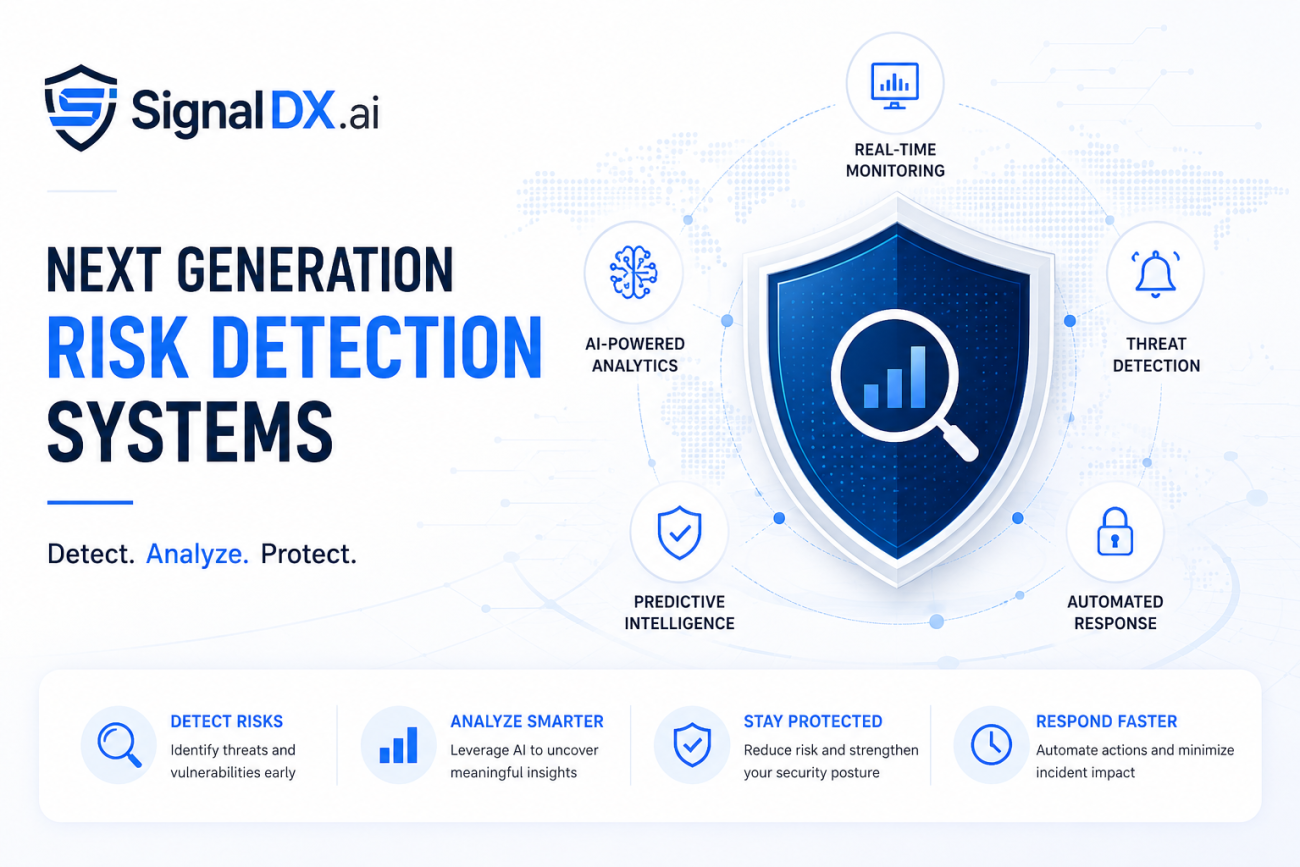
Introduction to the Next Generation of Risk Detection Systems
Risk Detection Systems are rapidly becoming the foundation of modern cybersecurity, fraud prevention, compliance monitoring, and operational resilience. As organizations face increasingly sophisticated threats, traditional approaches to identifying and managing risks are no longer sufficient. Businesses today require intelligent platforms that can analyze massive volumes of data, identify anomalies in real time, and predict emerging threats before they impact operations.
The evolution of these technologies has been driven by advances in artificial intelligence, machine learning, behavioral analytics, and cloud computing. Modern enterprises operate in highly interconnected digital ecosystems where threats can emerge from internal processes, external attackers, third-party vendors, or unexpected operational failures. The next generation of risk intelligence solutions provides organizations with the visibility and insights needed to detect, assess, and mitigate risks proactively.
At SignalDX.ai, we believe that advanced monitoring and analytics technologies are transforming how organizations approach security, compliance, and operational excellence. By leveraging intelligent analytics and automated monitoring, businesses can move beyond reactive responses and embrace predictive risk management strategies that strengthen resilience and drive growth.
The Evolution of Enterprise Risk Intelligence
Risk management has undergone a significant transformation over the past decade. Early Risk Detection Systems relied heavily on predefined rules and static thresholds. While these solutions provided a baseline level of monitoring, they often generated excessive false positives and struggled to identify novel threats.
Modern platforms utilize artificial intelligence and machine learning to continuously learn from historical and real-time data. Instead of depending solely on fixed rules, these advanced technologies analyze patterns, relationships, and behaviors across multiple data sources. This allows organizations to uncover risks that traditional monitoring methods would likely miss.
The growing complexity of digital environments has accelerated the demand for more sophisticated security and risk analytics tools. Organizations now manage vast networks of cloud applications, remote workforces, IoT devices, and third-party integrations. Each component introduces new vulnerabilities and risk factors that must be monitored continuously.
As cybercriminals adopt advanced attack techniques and regulatory requirements become increasingly stringent, enterprises need adaptive solutions capable of responding to changing threat landscapes. The next generation of technologies delivers dynamic intelligence that evolves alongside organizational needs and emerging risks.
Why Traditional Risk Detection Systems Are No Longer Enough
Traditional Risk Detection Systems were designed for a different era of technology and business operations. They typically relied on static rules, manual reviews, and limited data sources. While these methods provided some level of protection, they often failed to keep pace with rapidly evolving threats.
One of the primary challenges associated with legacy platforms is their inability to process and analyze large-scale data in real time. Modern organizations generate enormous amounts of information from applications, networks, devices, transactions, and user interactions. Static solutions struggle to extract meaningful insights from this growing volume of data.
Another limitation is the high rate of false positives. Security teams often spend significant time investigating alerts that do not represent genuine risks. This can lead to alert fatigue, reduced efficiency, and missed opportunities to identify actual threats.
The next generation of intelligent monitoring technologies addresses these shortcomings through automation, behavioral analytics, and predictive capabilities. These innovations enable organizations to identify risks with greater accuracy while reducing unnecessary alerts and improving operational efficiency.
Artificial Intelligence and the Future of Risk Detection Systems
Artificial intelligence has become one of the most influential technologies shaping modern Risk Detection Systems. AI-powered platforms can analyze complex datasets, recognize patterns, and detect anomalies at a scale that would be impossible through manual analysis alone.
Advanced solutions use machine learning algorithms to establish baseline behaviors across users, devices, applications, and business processes. When unusual activities occur, the platform can immediately flag potential risks and initiate appropriate response measures.
Artificial intelligence also enables continuous improvement. As these systems process new data, they refine their models and enhance detection accuracy over time. This adaptive capability allows organizations to stay ahead of emerging threats and changing business conditions.
The integration of AI provides organizations with deeper visibility into risk exposures and enables more informed decision-making. By automating complex analyses, businesses can respond to incidents faster and reduce the overall impact of potential threats.
Building Continuous Visibility Across Digital Environments
Real-time monitoring is a defining characteristic of modern Risk Detection Systems. Organizations can no longer afford to rely on periodic assessments or delayed reporting when threats can emerge and escalate within minutes.
Next-generation platforms continuously monitor data streams across the enterprise environment. This includes network traffic, application activity, user behavior, financial transactions, cloud infrastructure, and third-party integrations. By analyzing these data sources in real time, organizations gain immediate awareness of potential risks.
The ability to detect risks as they occur significantly improves response times. Security teams can investigate incidents quickly, contain threats before they spread, and minimize operational disruptions. Real-time visibility also supports regulatory compliance by providing continuous oversight of critical processes and controls.
As digital ecosystems become more complex, real-time monitoring capabilities will remain a central component of effective enterprise risk management.
Understanding Behavior to Identify Emerging Threats
Behavioral analytics has emerged as a powerful capability within advanced Risk Detection Systems. Rather than focusing solely on known threat indicators, behavioral analysis examines how users, devices, and applications typically operate.
By establishing behavioral baselines, organizations can identify deviations that may indicate malicious activity, insider threats, fraud attempts, or operational anomalies. For example, unusual login patterns, unexpected data transfers, or abnormal transaction behaviors can trigger immediate investigation.
Behavioral analytics enhances effectiveness by providing context around detected events. This context helps organizations distinguish between legitimate business activities and genuine threats, reducing false positives and improving investigation efficiency.
As organizations continue to embrace remote work and cloud-based operations, behavioral analytics will play an increasingly important role in modern security strategies.
Predictive Intelligence for Proactive Decision-Making
One of the most transformative advancements in Risk Detection Systems is the integration of predictive intelligence. Traditional approaches primarily focused on identifying risks after they occurred. Predictive technologies enable organizations to anticipate potential issues before they materialize.
Predictive analytics platforms leverage historical data, machine learning models, and trend analysis to forecast future risk scenarios. These insights allow organizations to implement preventative measures and strengthen their security posture proactively.
Predictive intelligence supports a wide range of applications, including cybersecurity, fraud detection, operational risk management, and regulatory compliance. By understanding potential future threats, organizations can allocate resources more effectively and reduce overall risk exposure.
The adoption of predictive capabilities represents a significant step forward in the evolution of enterprise risk management and reflects the growing importance of proactive strategies.
Adapting to the Cloud-First Business Landscape
Cloud adoption has transformed the way organizations operate and manage technology infrastructure. As businesses migrate applications and data to cloud environments, they require Risk Detection Systems designed specifically for cloud-native architectures.
Cloud-native platforms provide scalable monitoring, centralized visibility, and seamless integration across diverse cloud platforms. These solutions can analyze data from multiple environments while maintaining consistent security and compliance standards.
The flexibility of cloud-native technologies enables organizations to adapt quickly to changing business requirements. As workloads expand or evolve, monitoring capabilities can scale accordingly without requiring extensive infrastructure investments.
Cloud-native platforms also support advanced analytics and automation, making them an essential component of modern risk management strategies.
The Role of Automation in Risk Detection Systems
Automation is revolutionizing the effectiveness of Risk Detection Systems by reducing manual workloads and accelerating incident response processes. Modern enterprises face a growing volume of alerts, making it increasingly difficult for security teams to investigate every event manually.
Automated platforms can prioritize alerts, initiate predefined response actions, and provide detailed contextual information for investigators. This streamlines workflows and enables teams to focus on the most critical threats.
Automation also enhances consistency by ensuring that response procedures are executed according to established policies and best practices. Organizations can reduce human error, improve compliance, and achieve faster resolution times.
As threat volumes continue to increase, automation will remain a key differentiator among advanced security and monitoring solutions.
Industry Applications and Business Impact
Risk Detection Systems are delivering value across a wide range of industries. Financial institutions use these platforms to detect fraud, monitor transactions, and maintain regulatory compliance. Healthcare organizations rely on advanced monitoring technologies to protect sensitive patient information and ensure operational continuity.
Manufacturing companies use intelligent analytics platforms to monitor industrial processes, identify equipment failures, and reduce operational disruptions. Retail businesses leverage advanced analytics to detect payment fraud, prevent data breaches, and optimize customer experiences.
Government agencies and critical infrastructure providers utilize these technologies to strengthen national security, protect public services, and defend against cyber threats. The versatility of these solutions highlights their growing importance in today’s digital economy.
Key Challenges on the Road Ahead
Despite significant advancements, Risk Detection Systems continue to face several challenges. The growing sophistication of cyber threats requires continuous innovation and adaptation. Attackers are increasingly using artificial intelligence and automation to evade detection and exploit vulnerabilities.
Data privacy regulations also present challenges for modern monitoring platforms. Organizations must balance comprehensive visibility with legal and ethical responsibilities related to data protection and privacy.
Another challenge involves managing the complexity of hybrid and multi-cloud environments. Effective solutions must integrate diverse data sources while maintaining visibility across distributed infrastructures.
Addressing these challenges will require ongoing collaboration between technology providers, security professionals, and business leaders.
How SignalDX.ai Is Shaping the Future of Risk Detection Systems
SignalDX.ai is committed to advancing the capabilities of Risk Detection Systems through intelligent analytics, machine learning, and real-time monitoring technologies. Our platform empowers organizations to identify emerging threats, reduce operational risks, and strengthen overall resilience.
By combining advanced detection capabilities with actionable insights, SignalDX.ai helps businesses move beyond reactive security practices and embrace proactive risk management. Organizations gain the visibility needed to understand complex risk environments and make informed decisions with confidence.
The future of intelligent monitoring lies in automation, predictive analytics, and continuous adaptation. SignalDX.ai is helping organizations navigate this future by delivering innovative solutions that address today’s challenges while preparing for tomorrow’s threats.
Looking Ahead to a More Resilient Future
The next generation of Risk Detection Systems is redefining how organizations identify, assess, and respond to risks. Powered by artificial intelligence, behavioral analytics, predictive intelligence, and automation, these advanced platforms provide unprecedented visibility into complex digital environments.
As businesses continue to embrace digital transformation, the importance of effective risk intelligence solutions will only grow. Organizations that invest in intelligent risk management technologies will be better positioned to protect assets, maintain compliance, and achieve sustainable growth.
SignalDX.ai remains at the forefront of this transformation, delivering innovative technologies that help enterprises stay ahead of evolving threats and build a more resilient future. The organizations that embrace these next-generation capabilities today will lead the digital economy tomorrow.